Perfect Seafood Spaghetti

Ethan Sullivan
| 16-01-2026
 · Food Team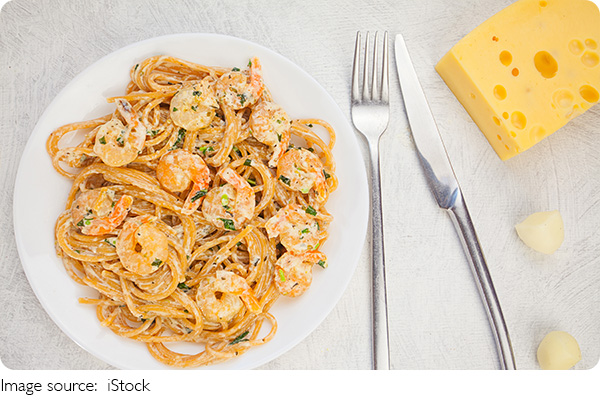
There's something magical about a plate of spaghetti piled high with shrimp, clams, and a light garlicky sauce. It's comforting, satisfying, and feels like a small celebration even on an ordinary night.
The trick isn't just tossing seafood with pasta—it's balancing flavors, timing the cooking, and giving each ingredient the attention it deserves. Here's a guide to making seafood spaghetti that hits every mark.
1. Choosing Your Seafood
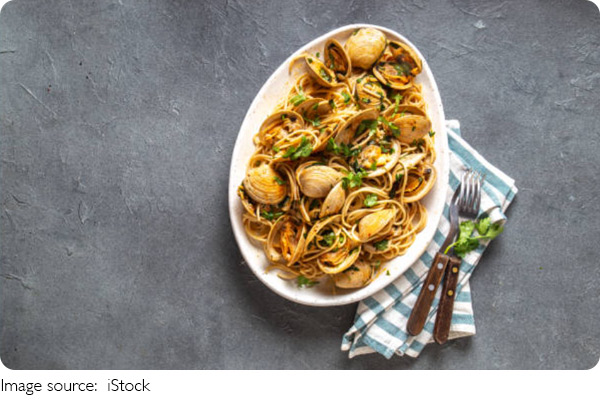
The quality of your seafood makes the biggest difference. Fresh or thawed shrimp, mussels, clams, or scallops are excellent options. Make sure shrimp are peeled and deveined, and discard any clams or mussels that are cracked or remain open when tapped.
When selecting seafood, consider a mix of textures: tender shrimp, chewy mussels, and firm scallops create a satisfying bite. Frozen seafood can work too—just thaw it in cold water before cooking to preserve texture.
- Actionable tip: Buy about 150–200 grams of seafood per person. If you want a richer sauce, use a bit more shrimp or add a small handful of prawns.
2. Cooking the Pasta Perfectly
Spaghetti should be cooked just until al dente—it will continue to cook slightly when tossed with the sauce. Use plenty of salted water, around 1 tablespoon per 4 liters of water, to enhance flavor. Stir occasionally to prevent sticking.
Before draining, reserve a cup of pasta water. This starchy water can adjust sauce consistency later, helping it cling to each strand of spaghetti.
- Actionable tip: Taste the pasta a minute before the package instructions indicate. The right al dente texture should be tender but with a slight bite in the center.
3. Preparing the Sauce
A light sauce lets the seafood shine. Heat olive oil over medium heat, then sauté minced garlic and a pinch of chili flakes for warmth. Add seafood gradually, starting with items that take longer to cook, like clams or scallops, then shrimp last.
Deglaze the pan with a splash of vegetable or seafood broth, or even a squeeze of lemon juice to add brightness. Let it simmer just a few minutes—overcooking seafood makes it rubbery. Finally, toss in chopped parsley for freshness.
- Actionable tip: If the sauce seems too thin, add a spoonful of the reserved pasta water gradually until it reaches the perfect consistency.
4. Combining Pasta and Seafood
Once pasta and sauce are ready, combine them in the pan over low heat. This allows the spaghetti to soak up the flavors. Toss gently so the seafood stays intact. Check seasoning—salt, pepper, and a final squeeze of lemon can elevate the dish.
- Actionable tip: For a restaurant-style finish, let the pasta rest in the sauce for 30 seconds before serving. This small step lets flavors meld beautifully.
5. Adding Finishing Touches
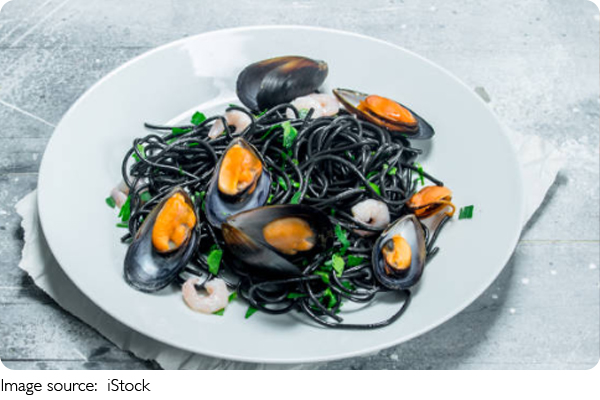
The final touches make seafood spaghetti feel special. A drizzle of extra pure olive oil adds depth, and a sprinkle of fresh herbs like basil or parsley brightens the flavors. Grated hard cheese is optional but can balance the acidity of the sauce.
Consider textures too: a handful of toasted breadcrumbs adds crunch, while lemon zest brings a lively aroma. Serve immediately to enjoy the seafood at its best.
- Actionable tip: Garnish with finely chopped parsley and a few drops of lemon juice just before serving. It enhances flavor without overpowering the seafood.
Seafood spaghetti is one of those dishes that feels impressive without being complicated. It's all about timing, balance, and respecting the ingredients. Once you nail the al dente pasta, fresh seafood, and a light but flavorful sauce, you have a meal that's elegant, satisfying, and perfect for any occasion. Next time you're craving something special, give this method a try—you'll enjoy every bite from the first forkful to the last.