Car Ads Have Transformed

Ethan Sullivan
| 27-01-2026
 · Vehicle Team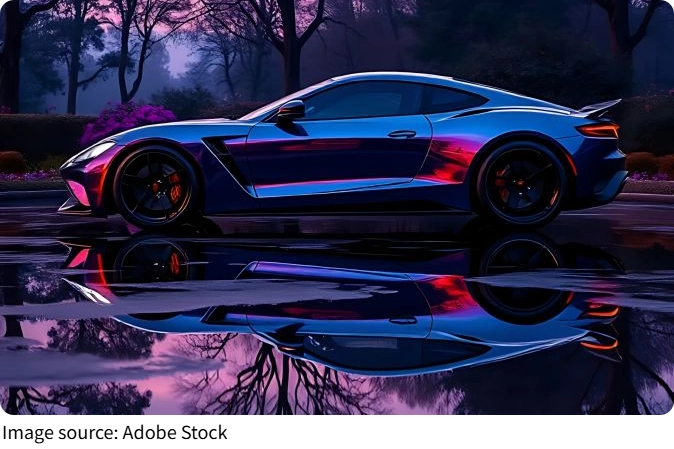
You scroll through your feed and see a car ad tailored just for you. It's sleek, shiny, and seems to know exactly what you want. But car advertising hasn't always been this personalized.
Its evolution tells a story about technology, culture, and human psychology.
From Print to Television
Early car ads relied heavily on print media—newspapers, magazines, and brochures. These ads focused on specifications, reliability, and affordability. Buyers needed facts to make a decision, so clarity was key.
The television era transformed car advertising. Suddenly, ads could show cars in motion, emphasizing performance, design, and lifestyle appeal.
Commercial jingles and catchy slogans became powerful tools. A memorable tune or phrase could influence consumer perception as much as the car itself.
This shift marked a move from purely informational advertising to emotionally engaging storytelling.
The Digital Revolution
The rise of the internet changed everything. Car brands began targeting audiences online through websites, banner ads, and email campaigns. But the real game-changer was social media:
Platforms allow brands to reach users based on interests, demographics, and behaviors. Ads can now feel personal, almost like recommendations from friends.
Influencers and user-generated content became powerful marketing tools. A video showing a day in the life with a new SUV can be more persuasive than traditional ads.
Interactive campaigns, like virtual test drives or AR filters, engage consumers in ways print and TV never could. Users aren't just passive viewers—they become participants.
Storytelling Over Specs
Modern car ads often prioritize storytelling over technical details. It's no longer enough to list horsepower or fuel efficiency:
Lifestyle marketing emphasizes how a car fits into a consumer's life, reflecting personality, values, and aspirations.
Ads showcase experiences—road trips, family moments, adventure—creating an emotional connection that builds brand loyalty.
Even design elements are highlighted in narratives: a car isn't just a vehicle, it's a statement of identity.
This approach taps into psychology. People remember feelings more than numbers, making stories a crucial part of modern marketing.
Data-Driven Personalization
Today, car brands collect and analyze massive amounts of data to refine advertising strategies:
Online behavior, search history, and social interactions help brands target ads more accurately than ever.
Personalized recommendations appear in feeds, emails, and even during app interactions, increasing the likelihood of engagement.
Analytics also inform creative decisions—what colors, settings, and music resonate with specific audiences.
This data-driven approach blends science with creativity, ensuring ads are both appealing and effective.
The Future of Car Advertising
Looking ahead, we can expect further integration of technology and immersive experiences:
Virtual reality (VR) and augmented reality (AR) may allow potential buyers to experience cars in lifelike environments without visiting a showroom.
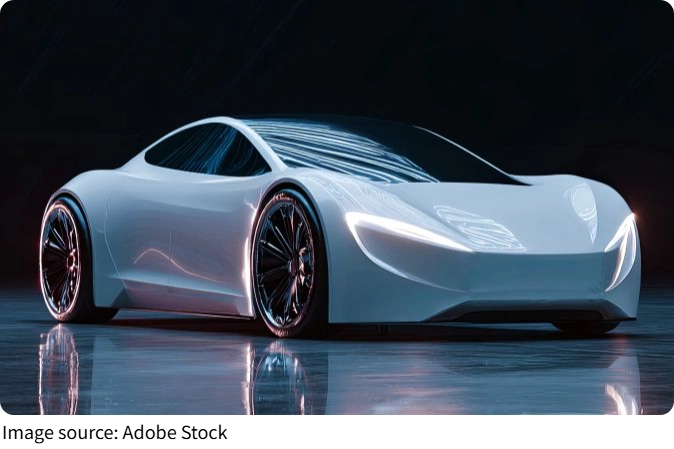
AI-generated content could craft hyper-personalized ads tailored to individual preferences and moods.
Social responsibility and sustainability narratives are becoming more central, reflecting consumer demand for ethical brand behavior.
These trends suggest that car advertising will continue to evolve beyond selling cars—it will sell experiences, values, and lifestyle.
Why It Matters
Understanding the evolution of car ads helps us see more than just marketing tactics. It reveals how consumer behavior, technology, and culture interact. From static print ads to immersive digital campaigns, car advertising shows us the power of storytelling, personalization, and emotional connection.
Next time you see a sleek ad pop up on your feed, notice the craft behind it—the blend of data, narrative, and creativity that makes a car feel like more than metal on wheels.