Grow Veggies at Home
Nolan O'Connor
| 03-06-2026
 · Food Team
The first piece of advice most new gardeners get is "start small." And most of them ignore it — including experienced gardeners who should know better.
One season of trying to manage an overgrown, weed-choked patch with more plants than you can handle usually teaches the lesson well enough.
A manageable garden you can actually keep up with will always outproduce a massive one that gets away from you by June.
Location and Setup Come First
Before anything goes into the ground, find a spot that gets at least seven hours of direct sunlight a day. That's non-negotiable for most vegetables. Once you've got the location sorted, think about how you want to set up the growing space. Raised beds are a strong choice for beginners — they give you better control over drainage, soil quality, and compaction, and they warm up faster in spring. Avoid pressure-treated lumber if you're building your own; the chemicals used in the treatment process can leach into your soil and eventually your food. Untreated wood will eventually need replacing, but it's worth it.
Container gardening works well if space is tight. A planter on a sunny deck or patio can produce a surprising amount of food — just make sure there's a drainage hole at the bottom, and expect to water more frequently than you would in a ground bed.
Soil Is the Foundation
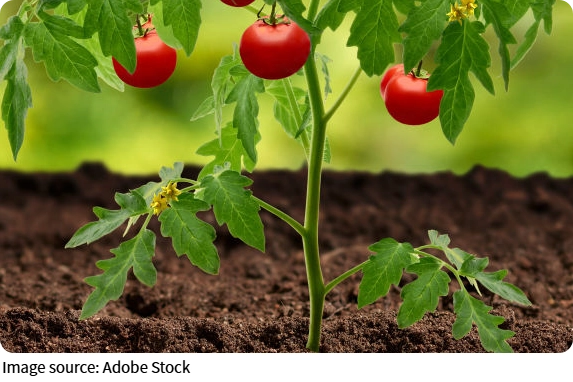
The health of your soil determines how well everything else goes. Use a high-quality blended compost mix with plenty of organic matter, and make sure the soil is at least 10 inches deep — more if you're planning to grow root vegetables like carrots. Adding a fresh layer of compost each spring before the season starts keeps the soil fertile and improves structure over time. Soil in raised beds and containers depletes faster than ground soil, so topping it up seasonally isn't optional, it's just part of the routine.
What to Grow First
The easiest vegetables to start with are radishes, green beans, lettuce, spinach, carrots, and zucchini — all of them can be seeded directly into the soil without any indoor preparation. Radishes are particularly beginner-friendly since they germinate fast and are cold tolerant enough to go in early in spring. Green beans need warmer conditions and shouldn't go in until nighttime temperatures are consistently above 50°F.
Tomatoes and peppers are warm-season plants that take longer to mature and usually need to be started indoors if you're in a cooler climate. Cherry tomatoes are especially productive — one plant can produce more fruit than most households can eat. For cucumbers and zucchini, give them plenty of space and good airflow; they tend to sprawl and can be aggressive in a small bed.
Cool-season crops like spinach, kale, broccoli, peas, and lettuce can go in as soon as the soil is workable in early spring. Many of them can also be planted again in late summer for a fall harvest — check the seed packet for the days to maturity and work backward from your first expected frost.
Watering and Feeding
Young seedlings have shallow roots and can dry out fast, especially on hot days. Once plants are established, their leaves shade the soil and help retain moisture — but until then, consistent watering matters a lot. Check the soil moisture before watering rather than going by a schedule. Overwatering is just as common a mistake as underwatering and shows up as yellowing leaves and weak growth. Avoid watering in the evening when possible, since wet leaves overnight can encourage fungal issues. Soaker hoses laid at the base of plants are a practical solution — the water goes directly to the roots without wetting the foliage.
Fertilize every two weeks throughout the growing season. Plants in raised beds and containers burn through nutrients quickly, and skipping feedings shows up in the harvest. A water-soluble fertilizer made for vegetables is easy to apply and gets absorbed faster than granular options.
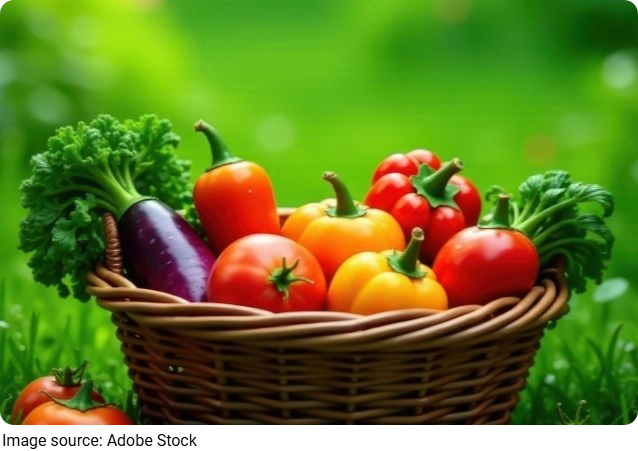
Starting a vegetable garden doesn't have to be complicated. Pick a sunny spot, build or buy a small bed, start with easy crops, and keep up with the watering and feeding. The rest comes with experience.