Top Air-Purifying Plants

Finnegan Flynn
| 03-06-2026
 · Nature Team
Houseplants can enhance indoor spaces while offering modest air-quality benefits.
Although they should not replace proper ventilation or air filtration, certain species have been associated with the absorption of airborne compounds in laboratory studies.
In addition to their potential environmental benefits, houseplants contribute texture, color, and a sense of natural balance to interior spaces.
Snake Plant
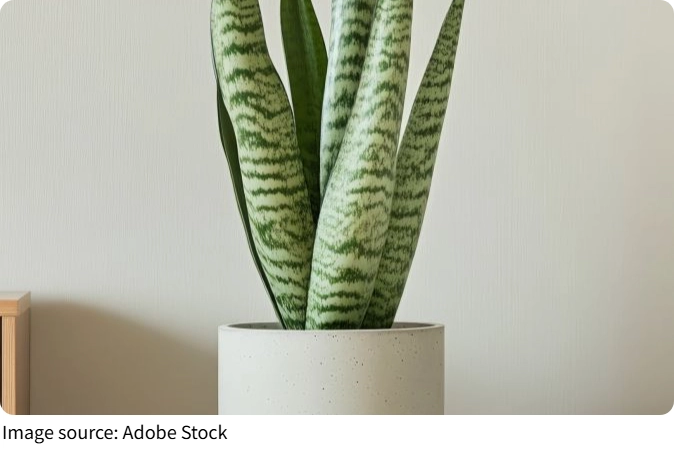
The Snake Plant is widely regarded as one of the easiest houseplants to maintain. It tolerates low light conditions and infrequent watering, making it suitable for a variety of indoor environments. Laboratory studies have associated the plant with the removal of certain airborne compounds, including formaldehyde and benzene. It is also known for releasing oxygen during the night through a process called Crassulacean Acid Metabolism (CAM), which has contributed to its popularity as a bedroom plant.
Spider Plant
The Spider Plant is valued for its adaptability and resilience. It grows well under a range of indoor conditions and requires relatively little maintenance. Research conducted under controlled conditions has linked Spider Plants to the absorption of certain airborne compounds. The plant is also known for producing offshoots that can be propagated easily, making it an appealing choice for both new and experienced indoor gardeners.
Peace Lily
The Peace Lily combines decorative appeal with potential air-filtering properties observed in laboratory studies. Its distinctive white blooms and lush foliage make it a popular addition to homes and offices. Peace Lilies generally perform best in low to medium light and prefer consistently moist growing conditions. Regular removal of dust from the leaves can help maintain the plant's overall health and appearance.
Pothos
Pothos is a versatile trailing plant that adapts well to a variety of indoor settings. It tolerates lower light levels and occasional missed watering, making it a practical option for busy households. Controlled studies have associated Pothos with the absorption of certain volatile organic compounds (VOCs). Its cascading growth habit also makes it well suited for shelves, hanging displays, and elevated surfaces.
Aloe Vera
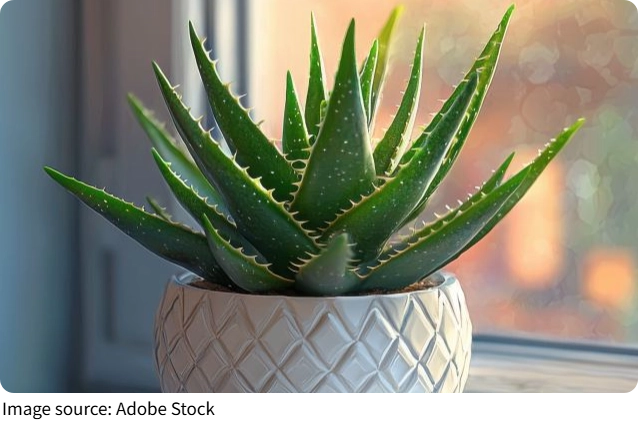
Aloe Vera is widely recognized for its succulent leaves and low-maintenance nature. It thrives in bright, indirect light and requires relatively infrequent watering. Like other CAM plants, Aloe Vera releases oxygen during the night. Its compact growth habit and straightforward care requirements make it a popular choice for indoor environments with ample natural light.
Understanding Their Air-Purifying Role
Plants absorb gases through microscopic openings in their leaves known as stomata. Microorganisms present around the root system may also help break down certain compounds. While these processes contribute to the plant's ability to interact with its environment, their impact on indoor air quality in typical homes is generally limited. Current research suggests that houseplants should be viewed as a complementary element of a healthy indoor environment rather than a primary air-cleaning solution.
How Many Plants Do You Need?
There is no scientifically established number of houseplants required to improve indoor air quality in a typical home. While a collection of healthy plants may contribute modestly to pollutant removal, ventilation and mechanical air filtration remain significantly more effective methods for maintaining clean indoor air. The greatest benefits of houseplants often come from their aesthetic value and their ability to create a more pleasant indoor atmosphere.
Air-purifying plants can be a valuable addition to homes, workplaces, and other indoor environments. Species such as Snake Plant, Spider Plant, Peace Lily, Pothos, and Aloe Vera are popular because they are relatively easy to maintain while adapting well to indoor conditions. Although their direct impact on air quality is limited, they can complement good ventilation practices and contribute to a healthier, more attractive, and more welcoming living space.