Farm vs Supermarket

Santosh Jha
| 03-06-2026
 · Food Team
Food shopping looks simple until you compare a supermarket shelf with a farm stand. One offers convenience, choice, and steady prices.
The other brings seasonal flavor, fresher harvests, and a closer link to growers. Lykkers, the smartest choice is not always one side winning. It is knowing when each option works best for your meals, budget, time, and taste.
Know What Each Choice Offers
Supermarkets and farms serve different needs. You may want quick ingredients on a busy weekday, but you may want fresher produce for a weekend meal. Once you understand the strengths of each place, food shopping becomes less random and much more useful.
Supermarkets Win on Convenience
A supermarket is built for speed and variety. You can buy fruit, vegetables, rice, pasta, dairy, frozen goods, spices, cleaning items, snacks, and household basics in one trip.
This matters when your schedule is tight. After work, school, errands, or travel, one-stop shopping saves energy. You do not need to check harvest times, market days, or seasonal availability.
Supermarkets also provide steady access. If you need apples in January, lettuce during rain, or onions late at night, the supermarket is usually ready. That reliability makes meal planning easier.
A practical tip: walk in with a short list organized by section. Produce first, pantry items next, chilled items near the end, then frozen items last. This keeps delicate and cold foods in better condition.
Farms Win on Seasonal Freshness
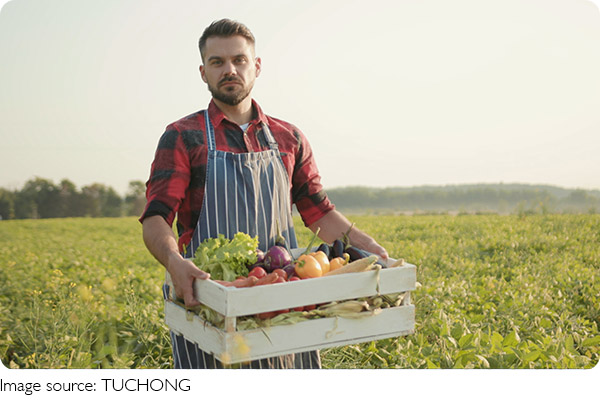
Farm food often shines when produce is picked close to sale time.
Tomatoes, berries, greens, herbs, cucumbers, peaches, and corn can taste more vivid when harvested recently. The texture may feel brighter, and the scent can be stronger. A ripe farm tomato does not need much dressing. It already walks into the kitchen with confidence.
Farms also teach you seasonality. Instead of expecting every item all year, you start noticing what grows best right now. This makes meals feel connected to time and place.
Try this simple habit: when visiting a farm stand, ask what was harvested most recently. That question often leads to the best buy of the day.
Price Depends on the Item
Many people assume supermarkets are always cheaper or farms are always better value. Real life is more mixed.
Supermarkets may offer lower prices through large supply chains, discounts, and bulk buying. Farm stands may offer better value during peak harvest when produce is abundant.
A basket of seasonal fruit from a local grower may taste better and cost less than out-of-season fruit shipped from far away. Instead of judging the whole store or farm, compare item by item.
A useful method is the meal test. Choose three meals for the week and compare where the main ingredients make most sense. Buy shelf-stable goods from the supermarket, then choose seasonal produce from the farm when quality justifies the trip.
Appearance Can Trick You
Supermarket produce is often selected for even shape, size, and travel durability. Farm produce may look more varied. A carrot may curve. A tomato may have uneven color. A cucumber may look like it chose a creative career.
Different appearance does not automatically mean lower quality. For cooking, soups, sauces, salads, smoothies, and roasting, slightly unusual shapes can work beautifully.
Focus on freshness signals. Look for firm texture, fresh scent, lively leaves, and signs of damage. Avoid produce that feels overly soft, slimy, or dried out.
Beauty in food is useful, but flavor pays the rent.
Supermarkets Give Wider Choice
Supermarkets are useful when recipes need specific ingredients.
If a dish calls for rice noodles, coconut milk, canned beans, flour, frozen peas, soy sauce, yogurt, or baking items, the supermarket is hard to beat. It provides global ingredients and packaged goods that farms usually do not offer.
This wider choice supports experimentation. You can try a new cuisine, compare brands, or buy ingredients for several meals at once.
To shop smarter, avoid wandering every aisle without a plan. Supermarkets are designed to tempt you. A list protects your budget from random snacks that seemed charming under bright lights.

Shop Smarter, Eat Better
The best food strategy often blends supermarket convenience with farm freshness. You do not need a perfect lifestyle. You need a flexible routine that keeps meals tasty, practical, and not too expensive.
Use Farms for Flavor Heroes
Some ingredients deserve special attention because they shape the whole meal.
Farm tomatoes, berries, herbs, leafy greens, eggs, cucumbers, stone fruit, and fresh flowers for the table can make a meal feel special. These are flavor heroes.
When one ingredient is excellent, the recipe can stay simple. Fresh tomatoes with olive oil and salt, berries with yogurt, crisp greens with a light dressing, or herbs added at the end of cooking can lift everything.
Buy smaller amounts if farm produce is very ripe. Fresher does not mean it lasts forever. Sometimes the most delicious peach has a short personality and needs to be eaten soon.
Use Supermarkets for Pantry Support
A reliable pantry makes fresh food easier to enjoy.
Keep pasta, rice, oats, lentils, canned tomatoes, beans, flour, vinegar, oil, spices, and frozen vegetables available. These items turn farm produce into full meals.
For example, farm zucchini becomes dinner with pasta and garlic. Fresh greens become a grain bowl with rice and beans. Berries become breakfast with oats or yogurt.
Think of the supermarket as the backstage crew and the farm as the star performer. Both matter, but they do different jobs.
Plan Around Shelf Life
Different foods age at different speeds.
Tender greens, berries, herbs, and ripe fruit should be eaten early in the week. Root vegetables, cabbage, apples, onions, and many grains last longer. Dairy and prepared foods need label checks and proper storage.
After shopping, sort items by urgency. Put quick-use items at eye level in the fridge. Store longer-lasting produce lower or farther back.
This small habit reduces waste. It also prevents the sad discovery of forgotten greens turning into science fiction.
Ask Better Questions
At a farm, questions can lead to better food.
Ask what is sweetest today, what should be eaten first, what stores well, and what the grower likes cooking this week. Many growers have practical tips because they know the produce closely.
At a supermarket, read labels and compare unit prices. Check origin, harvest style when available, expiration dates, and ingredient lists for packaged goods.
Better questions create better shopping. You are not just buying food. You are gathering clues.
Cook Simply When Produce Is Fresh
Very fresh produce does not need complicated treatment.
Use gentle methods: quick sautéing, simple roasting, fresh salads, light steaming, or raw tasting when safe. Let the main ingredient stay visible.
Herbs should often be added near the end so their aroma stays bright. Leafy greens cook quickly, so avoid forgetting them on heat while answering a message. They will not forgive you.
For farm produce, taste first. A sweet carrot, peppery radish, or fragrant herb may guide the whole dish.
Balance Budget and Joy
Food shopping should support daily life, not become a stressful contest.
Use supermarkets for value basics and farms for selected items that bring clear flavor or freshness. You might buy weekly staples from the supermarket and visit a farm stand once every one or two weeks.
Set a small discovery budget. Try one unfamiliar vegetable, herb, fruit, or local product each visit. This keeps meals fun without overspending.
One new item can refresh an entire week of cooking.
Store Food the Right Way
Good storage protects both supermarket and farm purchases.
Keep herbs lightly wrapped and chilled. Store berries dry and wash them just before eating. Separate ethylene-producing fruits such as apples and bananas from delicate greens. Keep potatoes and onions apart in a cool, dark place.
Use clear containers when possible. If you can see food, you are more likely to eat it.
Label leftovers with dates. Future you will appreciate not having to solve fridge mysteries.
Lykkers, supermarket and farm shopping both have real value. Supermarkets bring convenience, variety, and steady access, while farms bring seasonal freshness, flavor, and closer connection to growers. The smartest approach is flexible: buy pantry basics where they are easiest, choose farm produce when freshness matters, plan by shelf life, and let good ingredients make everyday meals more enjoyable.